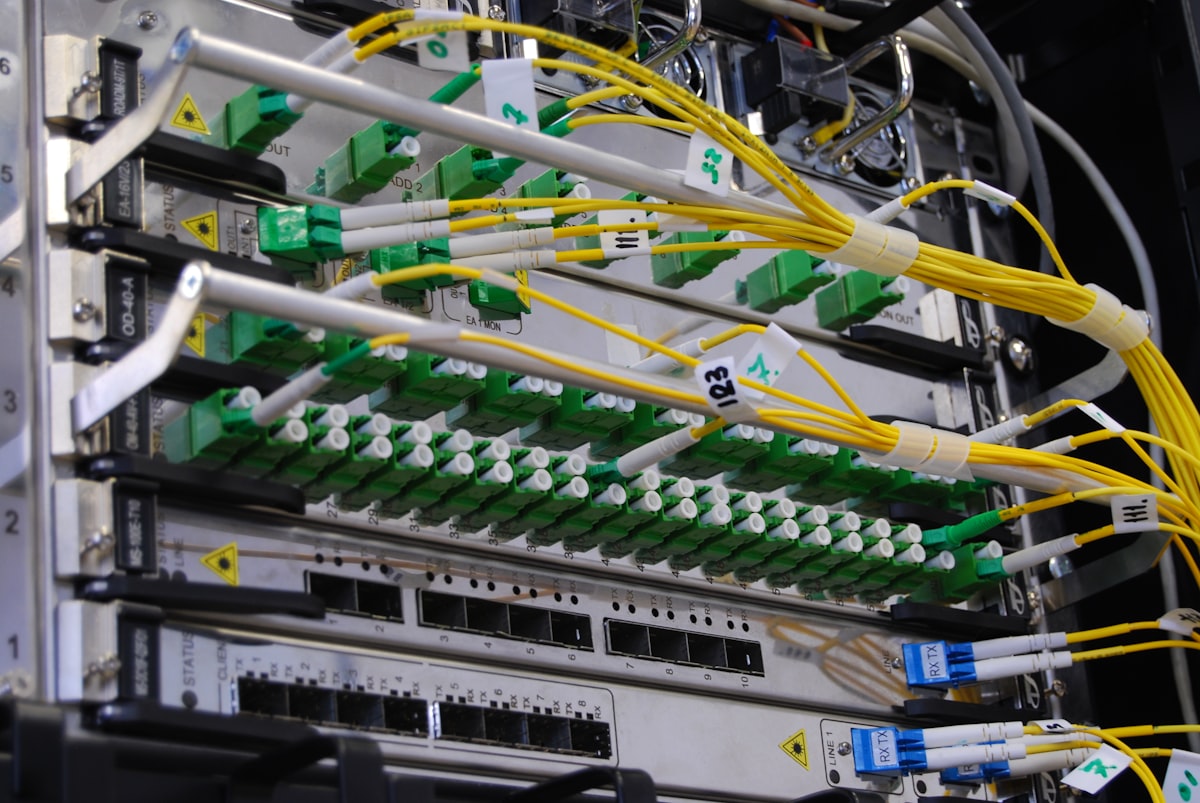
Selecting the right optical transceiver is one of the most critical — and often most frustrating — decisions network engineers and procurement teams face. With hundreds of form factors, wavelengths, transmission distances, and vendor compatibility issues on the market, it is easy to end up with modules that underperform, fail prematurely, or simply refuse to work with your existing switches. This guide walks you through the key factors to consider so you can make a confident, cost-effective decision the first time.
Why Choosing the Wrong Transceiver Is Costly
Network downtime is expensive. According to industry research, the average cost of network downtime for enterprises can exceed $5,000 per minute. A mismatched or low-quality optical transceiver is a leading cause of link failures, intermittent packet loss, and port errors — all of which erode productivity and damage customer trust. Beyond downtime, sourcing the wrong module often means double shipping costs, restocking fees, and delayed projects. Getting your transceiver selection right from the start is not just a technical decision — it is a business-critical one.
Step 1: Understand Your Form Factor Requirements
Optical transceivers come in several standardized form factors, each designed for specific use cases and equipment generations. The most common types you will encounter today include:
- SFP (Small Form-factor Pluggable): The industry workhorse for 1G applications. Widely supported across switches, routers, and media converters from virtually every vendor.
- SFP+ / SFP28: Designed for 10G and 25G applications respectively. Essential for modern data center top-of-rack deployments and enterprise core switching.
- QSFP+ / QSFP28 / QSFP-DD: High-density form factors supporting 40G, 100G, and 400G speeds. Used in spine/leaf architectures and hyperscale data centers.
- XFP: An older 10G form factor still found in legacy telecom and carrier equipment. Being phased out in favor of SFP+.
- CFP / CFP2 / CFP4: Used for high-speed long-haul 100G and 400G coherent transmission in carrier networks and submarine links.
Always confirm the form factor supported by your switch or router before ordering. A common mistake is confusing SFP and SFP+ slots — while physically similar, mixing them without checking your equipment datasheet can result in incompatibility or speed downgrade issues.
Step 2: Define Your Transmission Distance and Wavelength Needs
Once you have your form factor locked in, the next consideration is transmission distance. This determines the optical type and wavelength of the transceiver you need:
- SR (Short Reach): Typically 300m–400m over multi-mode fiber (MMF). Ideal for intra-data-center links and campus building connections. Uses 850nm wavelength.
- LR (Long Reach): Up to 10km over single-mode fiber (SMF). The standard choice for inter-building enterprise connections. Uses 1310nm wavelength.
- ER (Extended Reach) / ZR (Ultra Long Reach): From 40km to 80km+ over SMF. Used in metro networks, campus rings, and ISP point-to-point links. Uses 1550nm wavelength.
- CWDM / DWDM: Wavelength-division multiplexing options that allow multiple channels over a single fiber pair. Critical for maximizing fiber capacity in enterprise and carrier environments.
Always verify the fiber type already installed in your facility before purchasing. Using a single-mode transceiver with multi-mode fiber — or vice versa — is a frequent and costly mistake that results in high optical loss and link failure.
Step 3: Address Vendor Compatibility Concerns
One of the biggest pain points for network buyers is vendor lock-in. OEM transceivers from brands like Cisco, Juniper, Arista, and HPE are programmed with proprietary vendor codes. When a third-party module is inserted without the correct coding, the switch may display compatibility warnings, disable the port, or reduce link functionality.
High-quality compatible transceivers solve this problem by being programmed with the exact EEPROM data that matches the OEM module. When sourced from a reputable supplier, these modules pass all MSA (Multi-Source Agreement) standards and are fully tested for optical performance, digital diagnostics (DDM/DOM), and thermal stability. The result is seamless plug-and-play installation with no “unsupported transceiver” errors.
Step 4: Evaluate Total Cost of Ownership, Not Just Unit Price
OEM optical transceivers can cost anywhere from 3x to 10x more than equivalent compatible modules. For a 100-port data center deployment at 10G, this price gap can represent tens of thousands of dollars. However, the cheapest compatible option is not always the right choice either. Low-cost modules from unvetted suppliers often lack proper thermal management, have inconsistent laser output power, and fail well before their rated lifespan.
When evaluating total cost of ownership, consider: unit price, Mean Time Between Failures (MTBF) ratings, warranty terms, technical support availability, and the supplier’s testing and quality assurance processes. A reputable compatible transceiver supplier will provide full burn-in testing, guaranteed compatibility lists, and responsive RMA support — making the upfront savings sustainable over the lifecycle of your network.
Step 5: Work With a Specialist Supplier You Can Trust
Not all transceiver suppliers are created equal. The optical module market is unfortunately filled with counterfeit products, relabeled consumer-grade modules, and suppliers with no real technical support capability. When vetting a supplier, look for these key indicators of quality:
- A tested compatibility matrix covering major switch platforms (Cisco, Juniper, Arista, Huawei, HPE)
- 100% end-of-line optical testing before shipment
- Digital Optical Monitoring (DOM/DDM) support on all modules
- Clear warranty terms and a straightforward RMA process
- The ability to handle custom wavelength or reach configurations for specialized deployments
At NodeOptic, we specialize in delivering enterprise-grade optical transceivers that are fully tested, vendor-coded, and backed by expert technical support. Whether you are upgrading a campus network, scaling a data center, or building out an ISP backbone, our team can help you identify the exact module you need — and guarantee it will work.
Conclusion: Make the Right Choice the First Time
Optical transceiver selection does not have to be overwhelming. By understanding your form factor requirements, defining your distance and wavelength needs, addressing vendor compatibility, and evaluating total cost of ownership, you can confidently source the right module for your network — without the guesswork, delays, or costly returns. The right transceiver not only keeps your network running — it protects your investment and gives you the performance your users and applications demand.
Ready to find the right optical transceiver for your specific deployment? Contact the NodeOptic team today or explore our full product catalog to get started.