Case Study
How We Turned a Misclassified HS Code Into a Better Import Experience for a First‑Time U.S. Buyer
A first international order hits an unexpected Section 232 tariff — and the way it was resolved built more trust than a flawless shipment ever could.
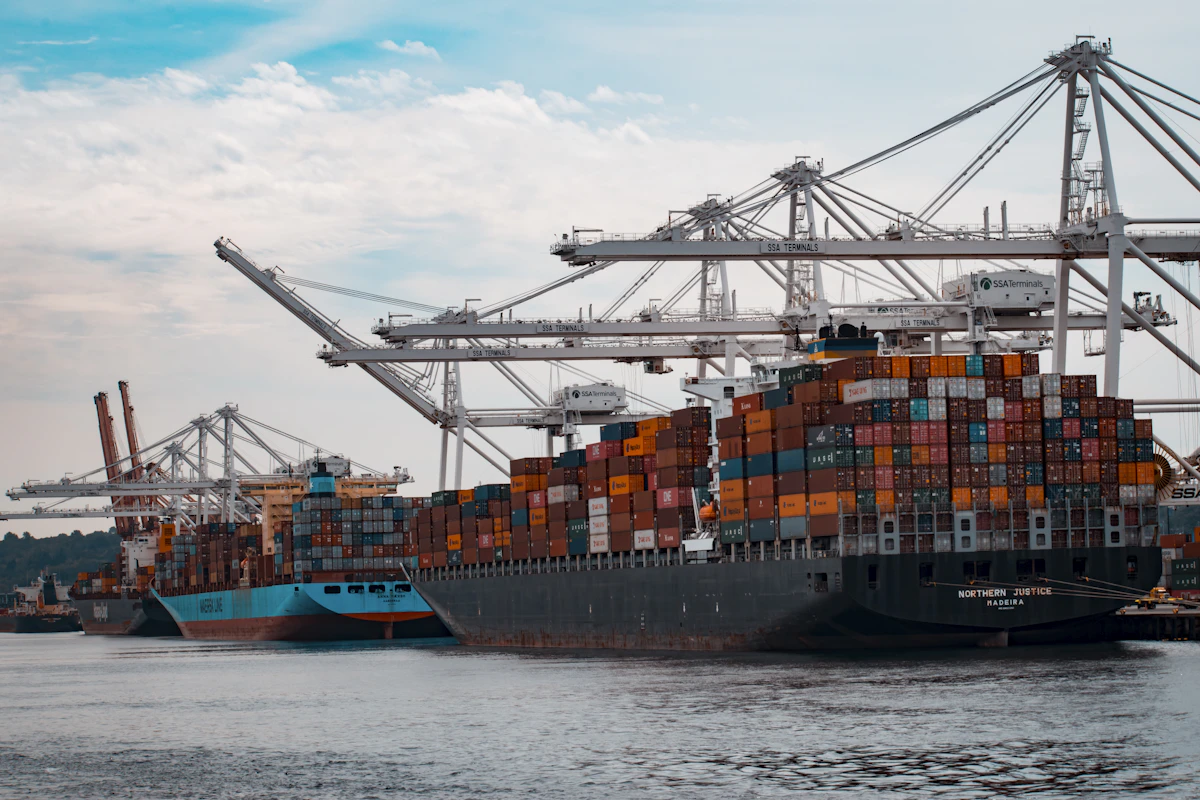
Industry: U.S. Internet Service Provider | Situation: First International Optics Order | Issue: HS Code Misclassification & Section 232 Tariff
Customer Background
A core network engineer at a U.S. internet service provider decided to place his first ever international order for optical transceivers. To reduce risk, he started with a small trial order of compatible optics shipped from China, mainly concerned about whether the international shipping and customs process would be smooth.
The Issue: A Misclassified HS Code and an Unusually High Duty Bill
Shortly after the shipment left China, the customer received an import tax invoice from DHL. Instead of the expected telecom duty, the total import charges came out to close to half of the order value — far higher than what a normal 7.5% rate would suggest.
What Went Wrong
When he contacted DHL, their customs team explained that:
- The commercial invoice had been declared with HS code 8517.79.5000
- This code is not valid for use in the United States, so the system could not classify the goods correctly
- As a result, the shipment was automatically assigned to a Section 232 tariff subheading — a category intended for steel and aluminum products, which carries a much heavier penalty rate
DHL offered him two options:
Option A: Pay Now, Dispute Later
Pay the duties to avoid delaying the shipment and then file a “post‑entry dispute” within a limited time window, paying additional service fees to DHL in the process.
Option B: Return & Re‑Ship
Return the shipment to the sender, have it re‑declared with the correct code, and restart the entire shipping process — adding at least another week of delay.
For a first‑time importer on a small test order, facing an unexpected duty bill that large was both stressful and confusing.

Our Response: Investigate Quickly and Take Responsibility
As soon as the customer shared the DHL email, we paused and investigated the problem with our shipping agent. The root cause became clear:
- Our agent had used a Chinese export HS code (8517.79.5000) on the commercial invoice
- That code is not recognized by U.S. Customs, so the system fell back to the wrong category
- The optics were treated as if they were Section 232 steel/aluminum goods
- The penalty duty was triggered entirely by an invalid classification on our side — not by anything the customer did
Once this was confirmed, we made two key decisions:
1. Own the Mistake
We told the customer directly that this was 100% our fault. We did not ask him to spend time fighting a complex dispute with DHL or risk delaying his project.
2. Fully Protect the Customer Financially
We proposed to fully offset the unexpected duty by applying an equivalent credit to his upcoming 400G optics order, or alternatively wiring the same amount back to his account.
The customer appreciated that we took responsibility and explicitly told us he did not want our company to lose revenue, but he accepted the credit as the fairest and fastest way to resolve the issue.
Double Protection: Fixing the HTS Code and Improving Future Imports
Beyond fixing this one shipment, we used the incident to strengthen our import process for all future U.S. orders.
On Our Side
- Updated the customer’s profile in our shipping system
- All future commercial invoices will use the correct U.S. HTS code for optical transceivers: 8517.62.0090
- Invoices now clearly state “No Steel/Aluminum”
- Ensures future shipments are classified under the standard telecom category at the normal duty rate
On the Customer’s Side (Recommended)
- Walked him through DHL’s “Separate Entry Request Form” in MyDHL+
- By registering as a telecom importer, he further reduces misclassification risk
- This protects him regardless of which supplier he buys from in the future
In other words, a single bad experience was turned into a permanent process improvement that benefits all of his future international purchases.

Outcome: More Trust, Not Less
Despite the initial shock of an unusually high duty bill, the way the issue was handled actually increased the customer’s confidence:
He saw that when something goes wrong, we investigate the root cause, admit our mistake, and protect his time and budget.
He confirmed this incident did not change his opinion of our company and plans to move ahead with testing 100G and 400G optics.
He also took the extra step to register as a Separate Entry customer with DHL, further smoothing all future imports.
For many network engineers, the most intimidating part of working with overseas optics suppliers is not the hardware itself, but the uncertainty around customs and logistics. This case shows that having a partner who will stand behind the shipment, fix classification issues, and shoulder the consequences can make the difference between a one‑time trial and a long‑term, trusted relationship.
Importing Optics for the First Time?
We handle customs classification, shipping logistics, and stand behind every order — so you can focus on your network.